Apistogramma tank mates
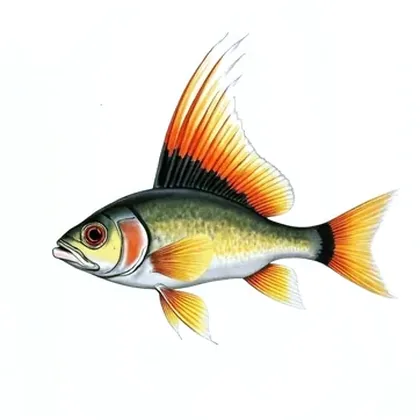
The safest picks for apistogramma are bettas, angelfish and kuhli loaches. Each match shares apistogramma' temperature and pH and leaves them alone.
Dwarf cichlid that guards a cave. Fine with mid-water fish.
- Temperature
- 75–84°F
- pH
- 5–7
- Temperament
- Semi-aggressive
- Minimum tank
- 20 gal
- With care
- 27
- Avoid
- 15
Good tank mates
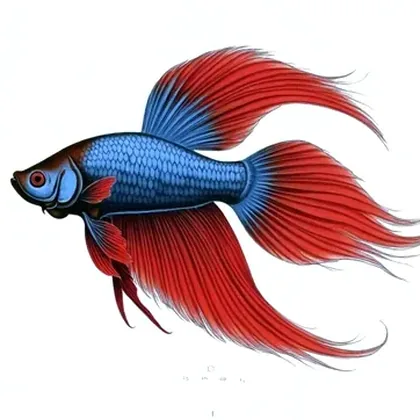 Betta76–82°F
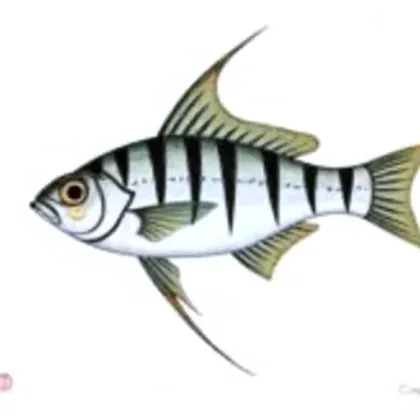 Angelfish76–84°F
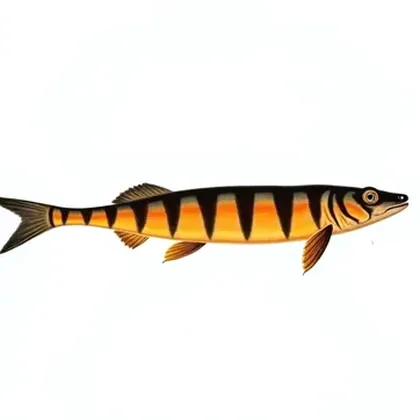 Kuhli loach75–84°F
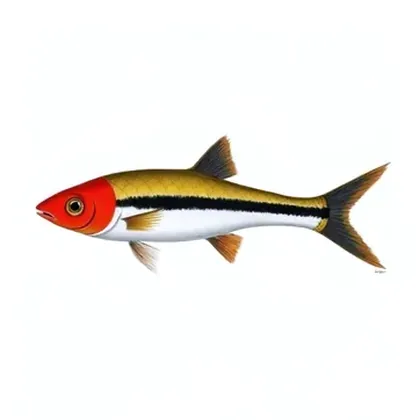 Rummy nose tetra75–84°F
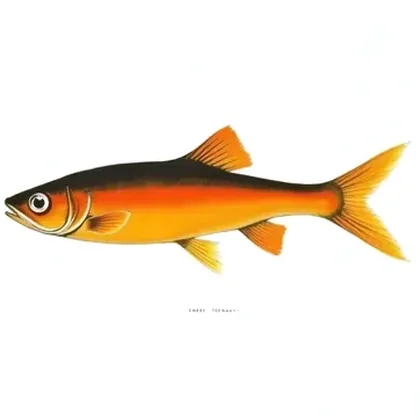 Ember tetra75–84°F
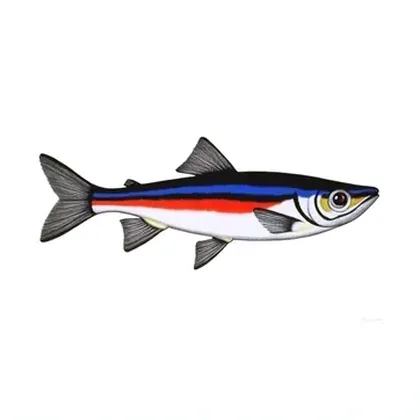 Cardinal tetra76–84°F
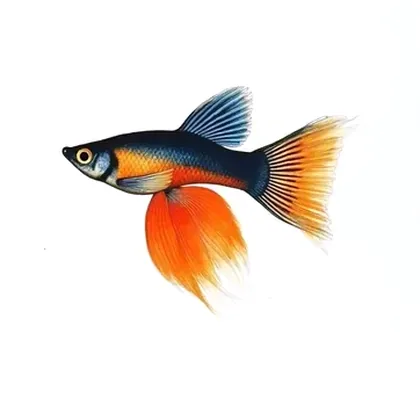 Guppy75–82°F
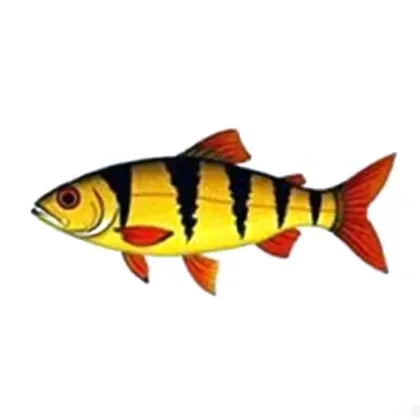 Tiger barb75–81°F
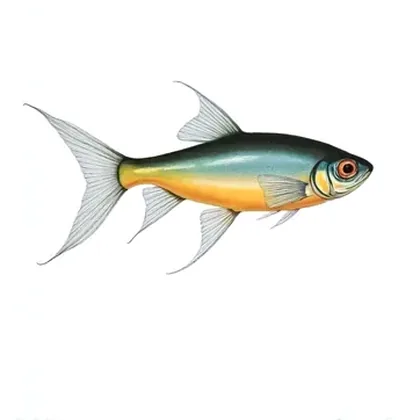 Congo tetra75–82°F
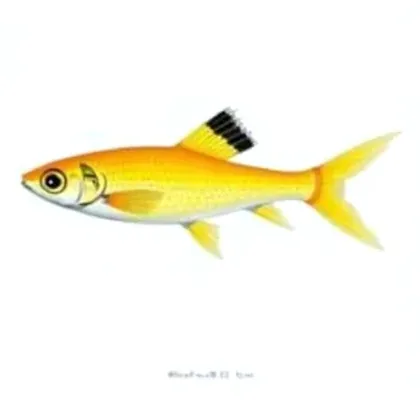 Lemon tetra75–82°F
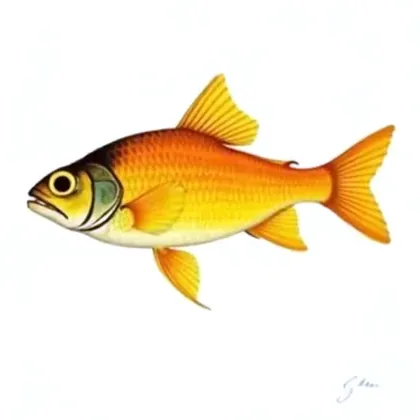 Honey gourami75–82°F
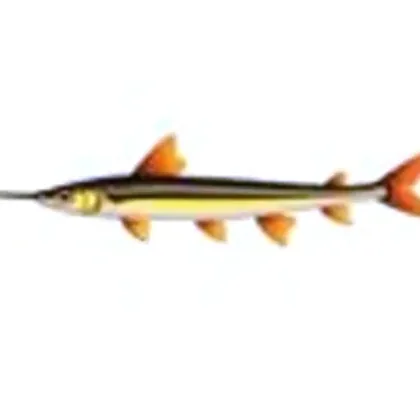 Pencilfish75–82°F
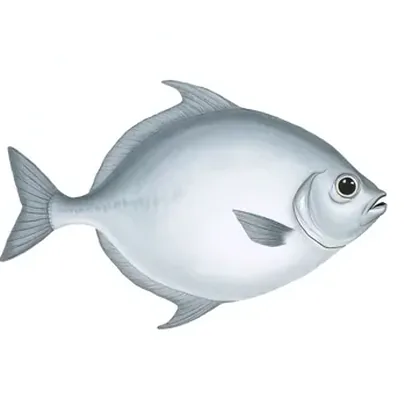 Silver dollar75–82°F
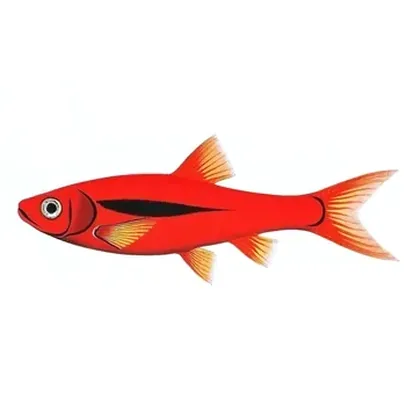 Chili rasbora75–82°F
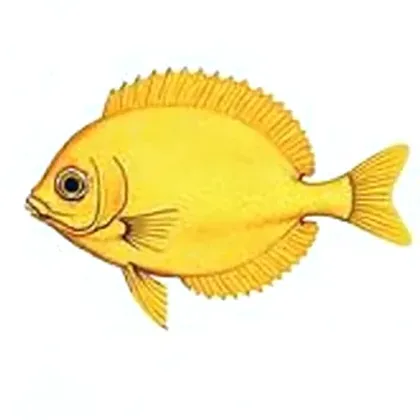 Severum75–84°F
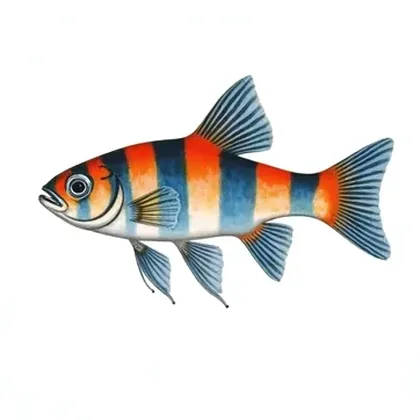 Dwarf gourami75–82°F
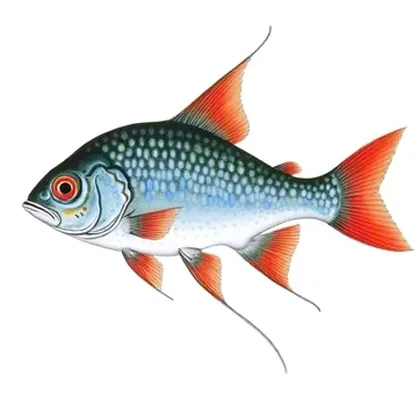 Sparkling gourami75–82°F
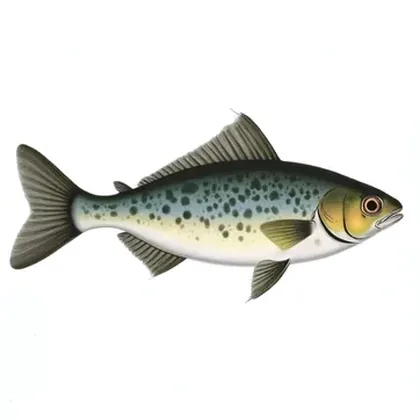 Hatchetfish75–81°F
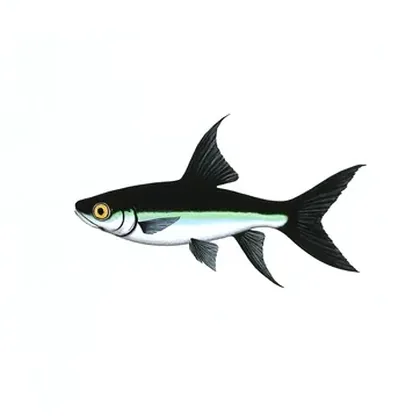 Black neon tetra75–81°F
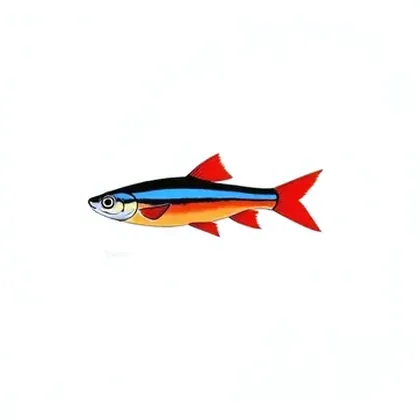 Neon tetra75–79°F
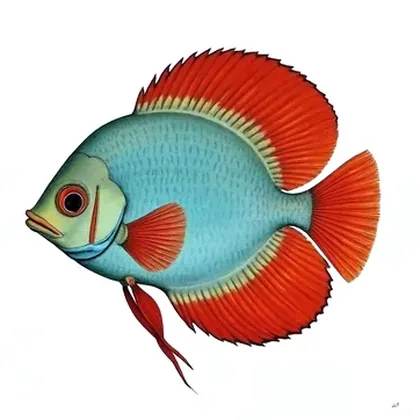 Discus82–84°F
 Cherry barb75–81°F
 Blue gourami75–82°F
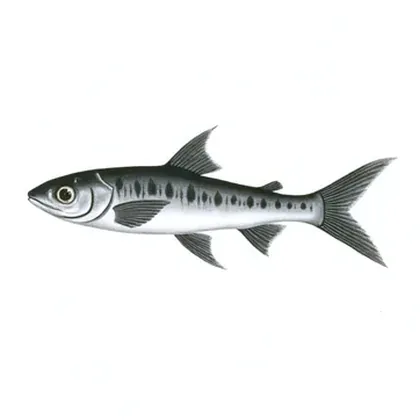 Yoyo loach75–84°F
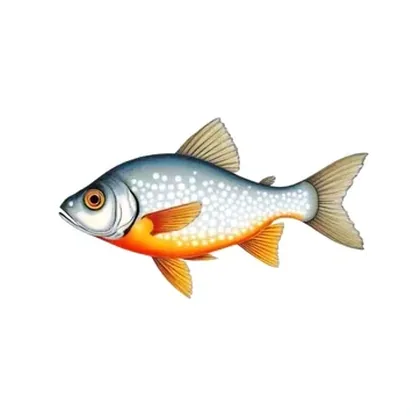 Pearl gourami77–82°F
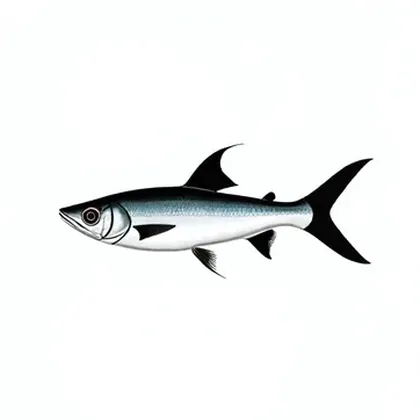 Black skirt tetra75–80°F
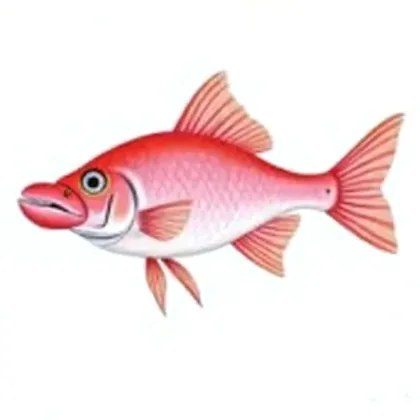 Kissing gourami75–82°F
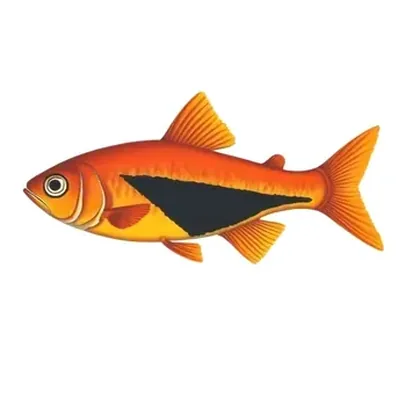 Harlequin rasbora75–80°F
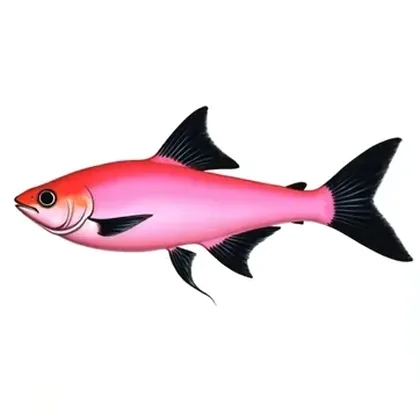 GloFish tetra75–80°F
 Dwarf neon rainbowfish75–82°F
 Killifish75–77°F
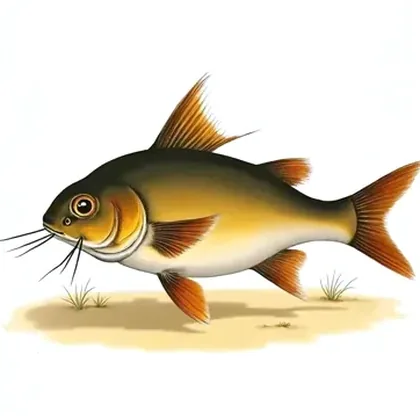 Corydoras75–79°F
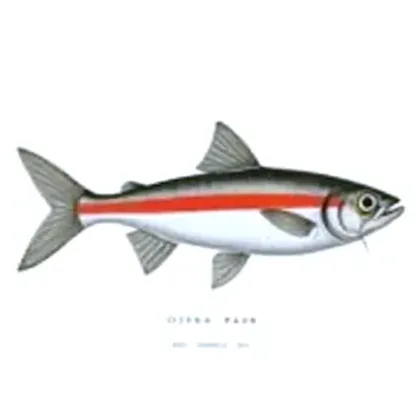 Odessa barb75–79°F
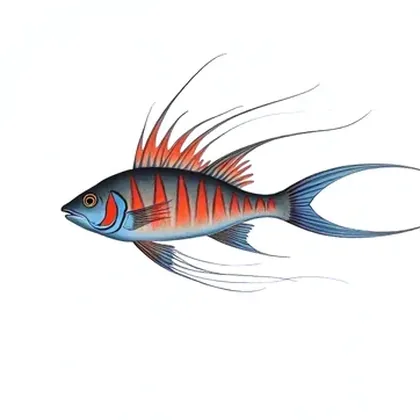 Paradise fish75–79°F
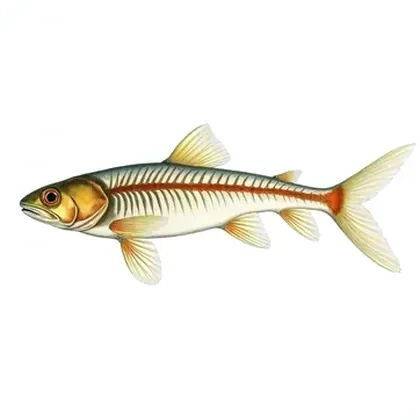 Glass catfish75–80°F
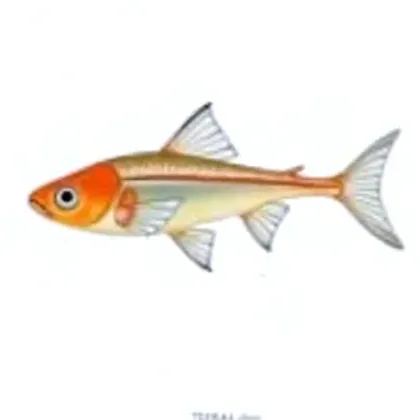 Glowlight tetra75–80°F
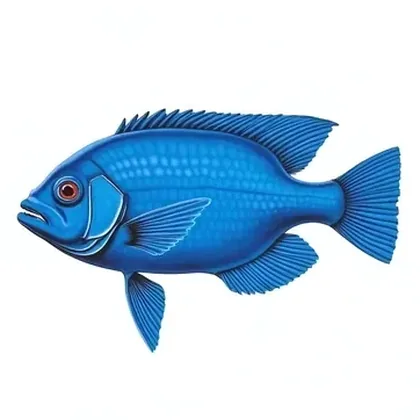 Electric blue acara75–82°F
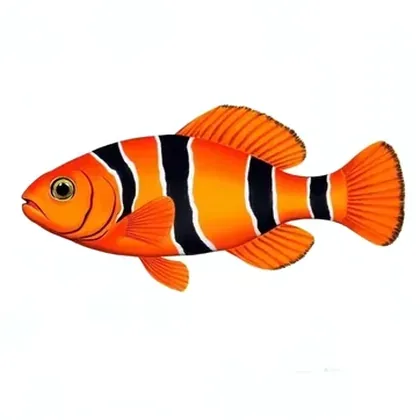 Clown loach77–84°F
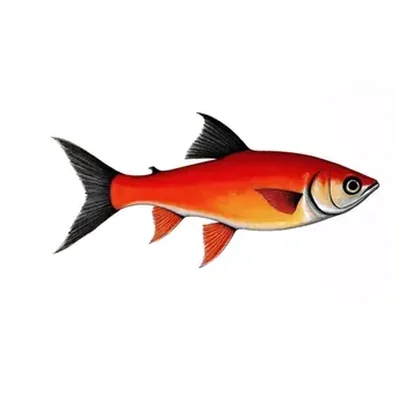 Serpae tetra75–79°F
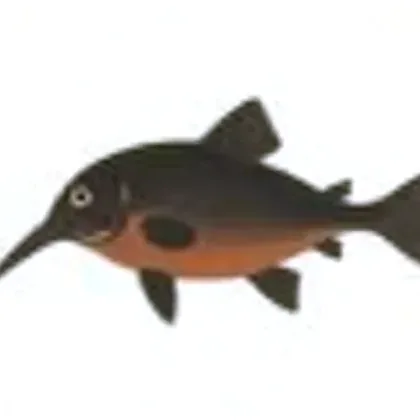 Elephant nose fish75–82°F
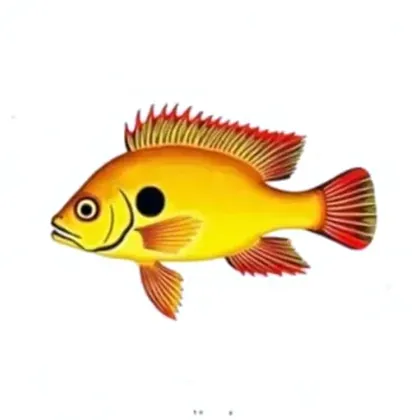 Bolivian ram75–79°F
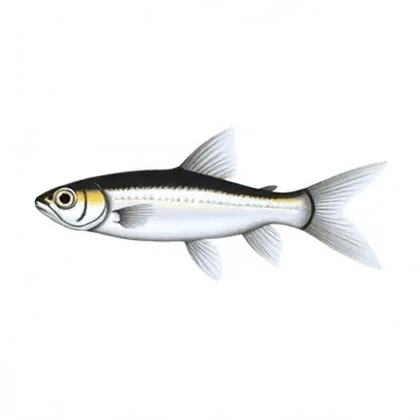 Pygmy cory75–79°F
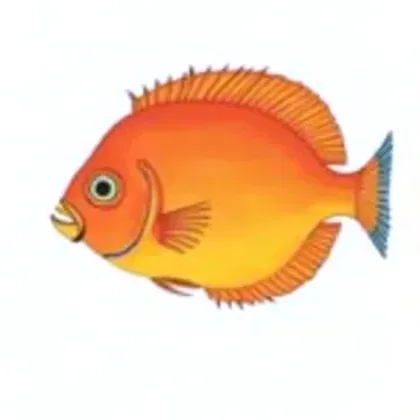 Blood parrot76–80°F
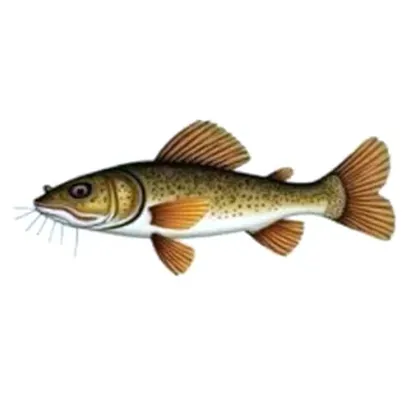 Bristlenose pleco75–81°F
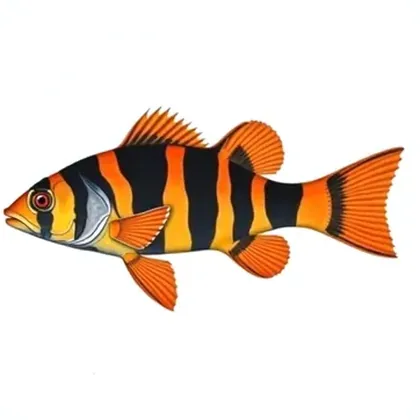 Clown pleco75–82°F
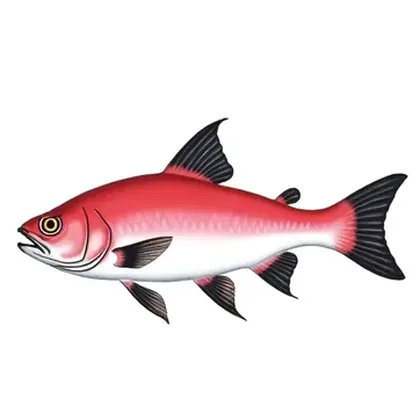 Rosy barb75–77°F
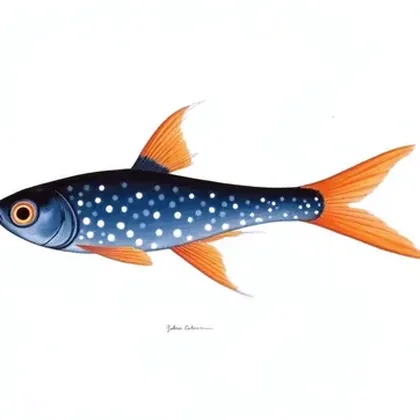 Celestial pearl danio75–79°F
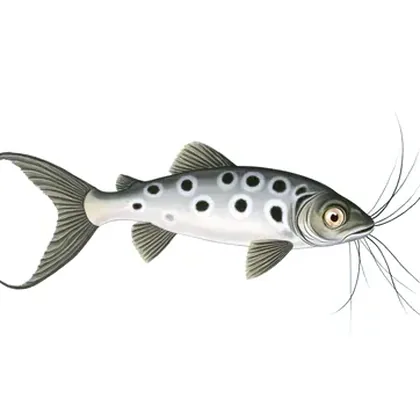 Pictus catfish75–79°F
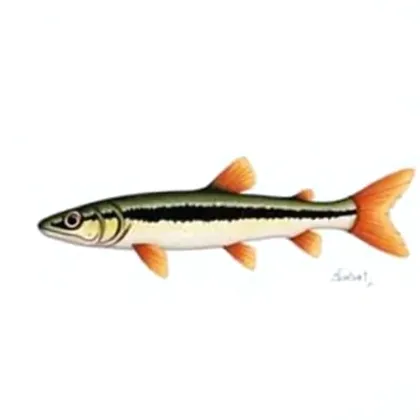 Otocinclus75–79°F
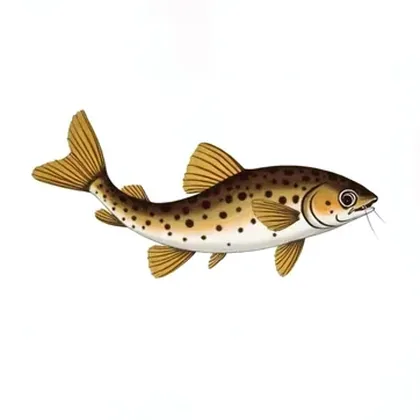 Upside down catfish75–79°F
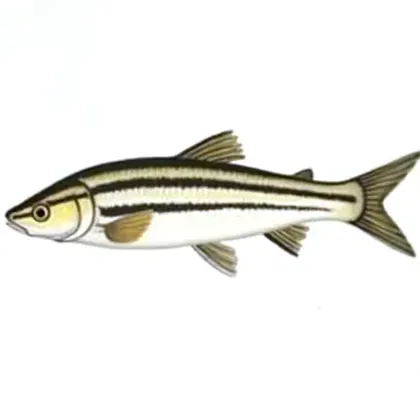 Zebra loach75–79°F
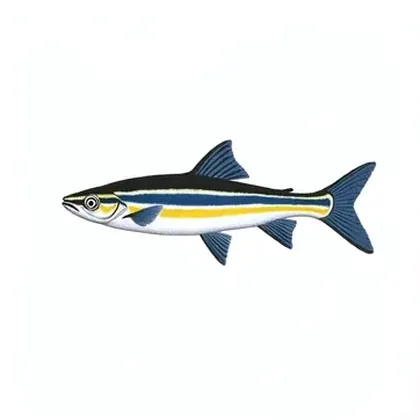 Zebra danio75–77°F
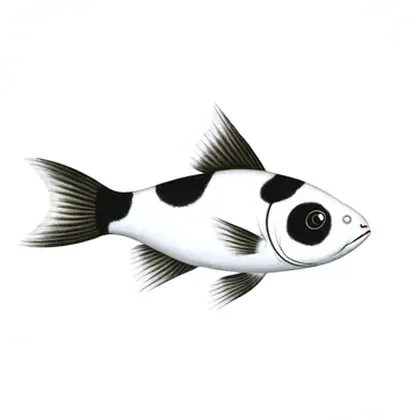 Panda cory75–77°F
 Siamese algae eater75–79°F
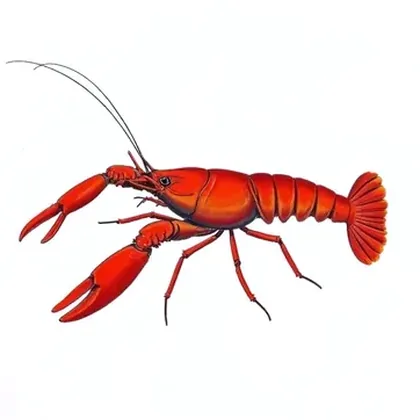 Crayfish75–77°F
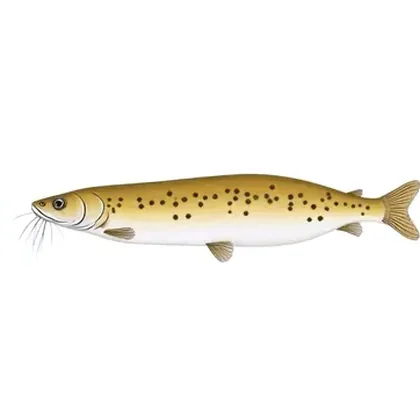 Dojo loach75–77°F
Possible, with care
- Pea puffer Water chemistry is a squeeze. The only pH that suits both is around 7.
- German blue ram Both claim territory on the bottom. Give each its own cave and plenty of floor space.
- Bala shark A grown bala shark may treat small apistogramma as food, especially at night.
- Firemouth cichlid Both claim territory on the bottom. Give each its own cave and plenty of floor space.
- Molly Different water: mollies want pH 7.5–8.5, apistogramma want pH 5–7.
- Common pleco Both claim territory on the bottom. Give each its own cave and plenty of floor space.
- Boesemani rainbowfish Water chemistry is a squeeze. The only pH that suits both is around 7.
- Kribensis Both claim territory on the bottom. Give each its own cave and plenty of floor space.
- Bamboo shrimp Apistogramma will eat baby shrimp and may chase adults. Dense plants or moss give bamboo shrimp somewhere to hide.
- Mystery snail Water chemistry is a squeeze. The only pH that suits both is around 7.
- Cherry shrimp Apistogramma will eat baby shrimp and may chase adults. Dense plants or moss give cherry shrimp somewhere to hide.
- Zebra pleco Both claim territory on the bottom. Give each its own cave and plenty of floor space.
- Platy Water chemistry is a squeeze. The only pH that suits both is around 7.
- African dwarf frog African dwarf frogs eat slowly and nearly blind. Fast apistogramma will take the food first, so target-feed them.
- Amano shrimp Apistogramma will eat baby shrimp and may chase adults. Dense plants or moss give amano shrimp somewhere to hide.
- Endler's livebearer Water chemistry is a squeeze. The only pH that suits both is around 7.
- Tinfoil barb A grown tinfoil barb may treat small apistogramma as food, especially at night.
- Ghost shrimp Water chemistry is a squeeze. The only pH that suits both is around 7.
- Rainbow shark Both claim territory on the bottom. Give each its own cave and plenty of floor space.
- Chinese algae eater Both claim territory on the bottom. Give each its own cave and plenty of floor space.
- Gold barb They only share 75°F. Keep the heater set there and steady.
- Red tail shark Both claim territory on the bottom. Give each its own cave and plenty of floor space.
- Swordtail Water chemistry is a squeeze. The only pH that suits both is around 7.
- Hillstream loach They only share 75°F. Keep the heater set there and steady.
- Assassin snail Water chemistry is a squeeze. The only pH that suits both is around 7.
- Ramshorn snail Water chemistry is a squeeze. The only pH that suits both is around 7.
- Nerite snail Water chemistry is a squeeze. The only pH that suits both is around 7.
Avoid
- Axolotl Axolotls are coldwater animals (60–66°F); apistogramma need 75–84°F. No temperature suits both.
- Oscar An adult oscar eats fish that fit in its mouth, and at 3 inches apistogramma do.
- Jack Dempsey An adult jack dempsey eats fish that fit in its mouth, and at 3 inches apistogramma do.
- Silver arowana An adult silver arowana eats fish that fit in its mouth, and at 3 inches apistogramma do.
- Goldfish Goldfish are coldwater animals (60–74°F); apistogramma need 75–84°F. No temperature suits both.
- African cichlid Different water: african cichlids want pH 7.8–8.6, apistogramma want pH 5–7.
- Convict cichlid Convict cichlids are aggressive and much bigger than apistogramma.
- Electric yellow cichlid Different water: apistogramma want pH 5–7, yellow labs want pH 7.8–8.6.
- Black ghost knife An adult black ghost knife eats fish that fit in its mouth, and at 3 inches apistogramma do.
- Bichir An adult bichir eats fish that fit in its mouth, and at 3 inches apistogramma do.
- Peacock cichlid Different water: apistogramma want pH 5–7, peacock cichlids want pH 7.8–8.6.
- White cloud minnow White cloud minnows are coldwater animals (60–72°F); apistogramma need 75–84°F. No temperature suits both.
- Koi Koi are coldwater animals (59–77°F); apistogramma need 75–84°F. They overlap only at 75–77°F, the edge of both ranges.
- Flowerhorn An adult flowerhorn eats fish that fit in its mouth, and at 3 inches apistogramma do.
- Fancy goldfish Fancy goldfish are coldwater animals (65–74°F); apistogramma need 75–84°F. No temperature suits both.
Planning a mixed tank? The tank mate checker tests every pair at once. Or read the apistogramma care sheet.
Questions
What are the best tank mates for apistogramma?
Bettas, Angelfish, Kuhli loaches, Rummy nose tetras, Ember tetras. They share apistogramma' temperature and pH and leave them alone.
What fish should not live with apistogramma?
Axolotls, Oscars, Jack dempseys, Arowanas, Goldfish. Axolotls are coldwater animals (60–66°F); apistogramma need 75–84°F. No temperature suits both.
How is compatibility checked?
Each pair is compared on temperature and pH overlap, adult size and mouth size, fin nipping, temperament and territory. The worst result decides the verdict.