Can harlequin rasboras live with elephant nose fish?
Verdict
Yes, with care
Yes, with care. Harlequin rasboras and elephant nose fish can share a tank, but watch one thing. A grown elephant nose fish may treat small harlequin rasboras as food, especially at night.
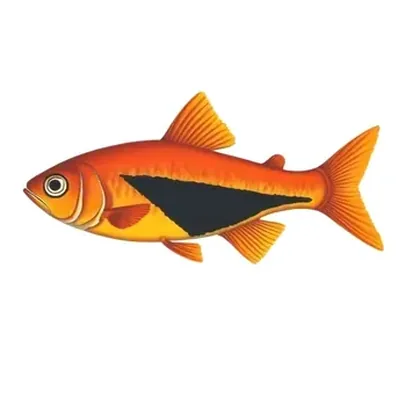
What to watch
- Watch outA grown elephant nose fish may treat small harlequin rasboras as food, especially at night.
What works
- Both are fine at 73–80°F.
- pH 6–7.5 suits both.
- They use different parts of the tank: harlequin rasboras the mid, elephant nose fish the bottom.
Water side by side
Size to scale
Care at a glance
| Harlequin rasbora | Elephant nose fish | |
|---|---|---|
| Temperature | 72–80 °F | 73–82 °F |
| pH | 6–7.5 | 6–7.5 |
| Adult size | 2.0 in | 9.0 in |
| Minimum tank | 10 gal | 55 gal |
| Temperament | Peaceful | Semi-aggressive |
| Swims at | Middle | Bottom |
| Group | Groups of 6+ | Alone or in pairs |
| Diet | Omnivore | Carnivore |
Better tank mates for harlequin rasboras
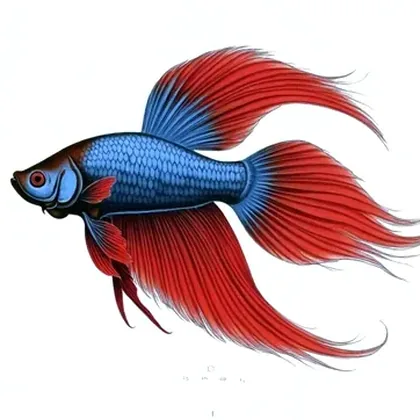
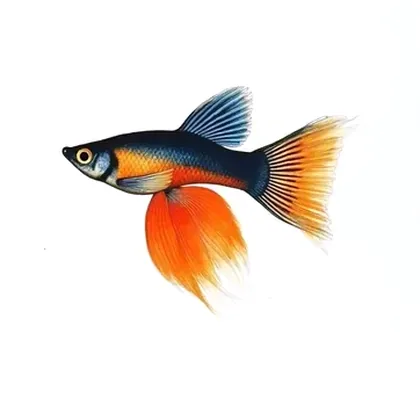
All harlequin rasbora tank mates
Better tank mates for elephant nose fish
All elephant nose fish tank mates
Questions
Can harlequin rasboras live with elephant nose fish?
Yes, with care. Harlequin rasboras and elephant nose fish can share a tank, but watch one thing. A grown elephant nose fish may treat small harlequin rasboras as food, especially at night.
What temperature suits both harlequin rasboras and elephant nose fish?
73–80 °F. Harlequin rasboras need 72–80 °F, elephant nose fish need 73–82 °F.
What size tank do harlequin rasboras and elephant nose fish need together?
At least 55 gal, set by the elephant nose fish. Add space for each extra fish.