Can blood parrots live with cherry barbs?
Verdict
Yes, with care
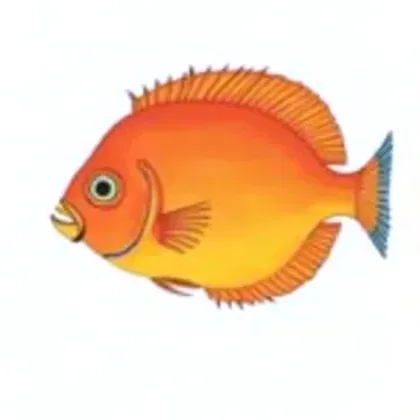
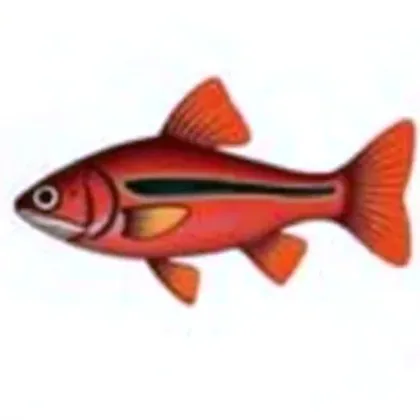
Yes, with care. Blood parrots and cherry barbs can share a tank, but watch one thing. A grown blood parrot may treat small cherry barbs as food, especially at night.
What to watch
- Watch outA grown blood parrot may treat small cherry barbs as food, especially at night.
What works
- Both are fine at 76–80°F.
- pH 6.5–7.5 suits both.
Water side by side
Size to scale
Care at a glance
| Blood parrot | Cherry barb | |
|---|---|---|
| Temperature | 76–80 °F | 73–81 °F |
| pH | 6.5–7.5 | 6–7.5 |
| Adult size | 8.0 in | 2.0 in |
| Minimum tank | 55 gal | 20 gal |
| Temperament | Semi-aggressive | Peaceful |
| Swims at | Middle | Middle |
| Group | Alone or in pairs | Groups of 6+ |
| Diet | Omnivore | Omnivore |
Better tank mates for blood parrots
Better tank mates for cherry barbs
Questions
Can blood parrots live with cherry barbs?
Yes, with care. Blood parrots and cherry barbs can share a tank, but watch one thing. A grown blood parrot may treat small cherry barbs as food, especially at night.
What temperature suits both blood parrots and cherry barbs?
76–80 °F. Blood parrots need 76–80 °F, cherry barbs need 73–81 °F.
What size tank do blood parrots and cherry barbs need together?
At least 55 gal, set by the blood parrot. Add space for each extra fish.